Grenada
Grenada
Population: UN WPP 2024, revision 1, projection for 1 July 2026. Sources and methodology.
Geography and territory
Grenada, known around the world as the “Spice Island,” is an island nation at the southern tip of the Windward Islands in the eastern Caribbean, just 160 kilometers north of Venezuela. The country consists of the main island of Grenada along with the smaller islands of Carriacou and Petite Martinique and a scattering of uninhabited islets, together covering just 348 square kilometers and home to 117,303 people. It ranks among the smallest sovereign states in the Western Hemisphere, though its natural and cultural richness far outstrips its modest size.
The main island is volcanic in origin, with a mountainous, rainforest-covered interior that peaks at Mount Saint Catherine, 840 meters above sea level. Grand Etang National Park, at the island’s center, holds a crater lake formed inside a long-dormant volcano, ringed by lush tropical forest home to mona monkeys, armadillos, and a wide variety of birdlife. Rivers and waterfalls tumbling from the highlands down toward the coast complete a landscape of striking tropical beauty.
Grenada’s coastline offers both white and volcanic black sand beaches, sheltered bays, and coral reefs. Grand Anse Beach, on the southwest coast, is widely regarded as one of the loveliest beaches in the Caribbean, its two kilometers of golden sand framed by almond trees. Grenadian waters teem with marine life, and the Molinière Underwater Sculpture Park, a submerged art gallery of life-size figures gradually colonized by coral, is a one-of-a-kind attraction that fuses contemporary art with marine conservation.
History
Indigenous Caribs inhabited Grenada for centuries before European contact, knowing the island as Camerhogne. Christopher Columbus sighted it in 1498 and named it Concepción, though the Spanish name Granada later stuck and evolved into the English “Grenada.” Early European colonization attempts met fierce Carib resistance until the French, led by Jacques du Parquet, established a permanent settlement in 1649. According to island legend, the last surviving Caribs leapt from a cliff into the sea rather than surrender to the French, an event remembered in the name Leapers Hill, or Sauteurs.
France and Britain contested the island through the eighteenth century until it was ceded permanently to Britain in 1763. The colonial economy rested on sugar and spice plantations worked by enslaved Africans. The introduction of nutmeg in 1843 transformed the island’s economy and forged its identity as the Spice Island. The abolition of slavery in 1834 and the rise of a smallholder economy centered on spice farming shaped the society that followed.
Grenada gained independence from the United Kingdom on February 7, 1974. In 1979 the New Jewel Movement, led by Maurice Bishop, seized power in a coup and pursued a program of progressive social reform. Bishop’s assassination in 1983, followed swiftly by a United States-led military intervention, became one of the defining Cold War episodes in the Caribbean. Grenada has maintained stable parliamentary democracy ever since. Hurricane Ivan struck in 2004, destroying an estimated 90 percent of the island’s structures, but the recovery that followed demonstrated the resilience of the Grenadian people.
Culture and society
Grenadian culture blends African, French, British, and indigenous Caribbean heritage into a distinctive whole expressed through music, dance, art, and oral storytelling. Spicemas, Grenada’s Carnival, held each August, fills the streets with costumed troupes, soca and calypso music, the Jab Jab, figures covered in black oil and draped in chains that recall the memory of slavery, and the Shortknee, masked dancers dressed in floral fabric costumes.
Calypso has deep roots on the island, with annual competitions during Spicemas showcasing lyrical and musical talent. The quadrille, a dance of French origin reshaped by African rhythms, survives in some rural communities. Grenada’s rich oral tradition, full of Anansi spider tales, proverbs, and work songs, keeps African heritage alive. Shakespeare Mas, a singular form of street theater in which performers recite and act out Shakespeare’s plays in Caribbean cadence, is a tradition unique to the island of Carriacou.
Grenadian society is warm and close-knit, built on strong family and community ties. Religion, predominantly Catholic owing to the island’s French colonial past, plays a significant role in daily life. Carriacou preserves particularly rich traditions of its own, including Big Drum ceremonies, African-rooted drumming rituals that honor ancestors, and an annual regatta that stands as the island’s biggest celebration. Cricket is the most popular sport, followed by soccer and track and field.
Economy
Grenada’s economy runs on tourism, agriculture, and light manufacturing. Tourism is the largest single sector, accounting for a substantial share of both GDP and employment, drawing visitors for the beaches, diving, hiking, and Caribbean culture. Tourism infrastructure has grown considerably, especially in the years since the rebuilding that followed Hurricane Ivan, adding resorts, boutique hotels, and a growing slice of luxury travel.
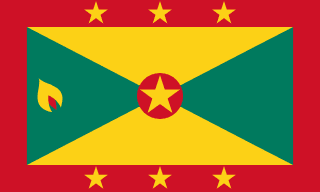
Spice farming remains emblematic of the Grenadian economy. The island is the world’s second-largest producer of nutmeg, behind only Indonesia, and the spice even appears on the national flag. Beyond nutmeg, Grenada grows cloves, cinnamon, ginger, turmeric, cocoa, and vanilla, cementing its identity as the Spice Island. Grenadian cocoa has earned international recognition, with the Grenada Chocolate Company producing organic, tree-to-bar chocolate exported to gourmet markets worldwide.
A citizenship-by-investment program has become a significant source of national revenue, while construction, financial services, and education round out the economy, notably through St. George’s University, a major medical school that draws thousands of international students each year. Like other small island states, Grenada faces real structural challenges: vulnerability to hurricanes and climate change, heavy reliance on imports, and the ongoing need for sustainable economic diversification.
Food and cuisine
Grenadian cooking is a celebration of the spices that define the island’s identity. Oil down is the national dish and the crown jewel of Grenadian cuisine: a one-pot stew combining breadfruit, green banana, dasheen, dumplings, and salted meat, chicken, or pork, all slow-cooked in coconut milk with turmeric, thyme, onion, and, of course, nutmeg, until the coconut oil separates and forms a golden layer at the bottom of the pot. This communal dish is typically prepared in large batches for gatherings and celebrations.
Seafood features prominently on Grenadian tables, with lambi, or conch, served curried, in soup, or as ceviche, and freshly grilled fish seasoned with local spices. Roti stuffed with curried chicken or goat, a legacy of Indian immigration to the Caribbean, has become a beloved street food. Callaloo soup, made from dasheen leaves and crab, saltfish fritters known as fish cakes, and pelau, a one-pot dish of rice, chicken, peas, and coconut, are everyday favorites.
Grenadian nutmeg scents more than savory dishes; it flavors desserts and drinks as well. Nutmeg jam, nutmeg syrup, and nutmeg ice cream are all distinctive local specialties. Grenadian rum, particularly the Rivers and Clarke’s Court brands, and spiced liqueurs such as those from Westerhall Plantation, are cherished artisanal products. Cocoa tea, a hot beverage made from freshly ground cocoa, spices, and milk, is a traditional and comforting way to start the day.
Tourism and landmarks
St. George’s, the capital, is often called one of the most picturesque cities in the Caribbean, with pastel-colored houses climbing the slopes of a volcanic crater that wraps around a horseshoe-shaped harbor. Fort George, built by the French in 1705, offers panoramic views over the city, the bay, and the Grenadine islands beyond. The Saturday market in St. George’s bursts with color, the aroma of spices, and tropical flavors that capture the essence of Grenadian daily life.
The Molinière Underwater Sculpture Park is a submerged gallery created by artist Jason deCaires Taylor, featuring more than 65 life-size human figures set on the seabed and gradually being reclaimed by coral and marine life. Accessible by diving or snorkeling, it has been hailed as one of the world’s most innovative art installations. Grand Etang National Park offers hiking through tropical forest to its crater lake and the Seven Sisters waterfalls, with chances to spot mona monkeys and parrots along the way.
Grand Anse Beach, with its two kilometers of golden sand and calm turquoise water, is Grenada’s signature stretch of coast. Carriacou, reached by ferry or small plane, offers a quieter, more traditional Caribbean experience, with secluded beaches, coral reefs for snorkeling, and the cultural celebrations of Big Drum and its annual regatta. Spice estates such as Belmont Estate and the Gouyave Nutmeg Processing Station offer tours explaining how the crops that define the Spice Island are grown and processed.
Fun facts about Grenada
- Grenada is the world’s second-largest producer of nutmeg, and the spice appears on the national flag as a symbol of its importance to the island.
- The Molinière Underwater Sculpture Park, created in 2006, was the world’s first underwater art gallery.
- In October 1983, the United States led a military intervention in Grenada, Operation Urgent Fury, the most significant Cold War military event in the Caribbean.
- The Grenada Chocolate Company pioneered internationally recognized organic, tree-to-bar chocolate production on the island.
- The Jab Jab of Spicemas, covered in black oil and chains, is one of the most powerful cultural expressions in the Caribbean, embodying the memory of slavery.
- Hurricane Ivan destroyed roughly 90 percent of the island’s structures in 2004, including most of its nutmeg plantations, which took years to recover.
Grenada in numbers
Latest World Bank and UNDP observations, each with its own year. “World median” is the middle value among the countries that report the same indicator; “#” ranks from the highest value.
Population since 1960
Grenada had 94,058 people in 1960 and 117,303 in 2025 — 25% more.
People
36.7% of people live in towns and cities (world median 63.4%). 19.0% are under 15 and 12.6% are 65 or older — a middle-aged population. Women have 1.47 children on average, below the replacement level of about 2.1 needed to keep a population stable in the long run without migration.
Economy
The economy grew by 4.4% in real terms in 2025. Consumer prices rose by 0.6% in 2025. Services make up the largest share of output (64.9% of GDP); agriculture contributes 2.5%.
Development and environment
UNDP rates human development in Grenada as high, with an index of 0.791 in 2023 (rank 80 of 193). 70.2% of people use the internet and 95.6% have access to electricity. Forest covers 51.5% of the land (world median 32.8%).
Sources: World Bank, World Development Indicators (CC BY 4.0), most recent observation from 2015 onward; UNDP Human Development Report 2025. Retrieved 2026-10-10. Sector shares need not add up to 100% because taxes and subsidies on products are excluded. Missing values are left blank rather than estimated. Sources and methodology.
Climate of Grenada
Averaged across Grenada, the mean temperature stays between 25.2 °C (January) and 27.3 °C (May) — a swing of only 2.1 °C, so seasons are marked by rainfall rather than by heat.
About 1,631 mm of precipitation falls in a typical year. October is the wettest month (205 mm) and February the driest (58 mm). The wettest stretch is September to November, with 37% of the year's total.
Show monthly values as a table
| Month | Mean °C | Low °C | High °C | Precipitation, mm |
|---|---|---|---|---|
| January | 25.2 | 21.4 | 29.2 | 82 |
| February | 25.3 | 21.5 | 29.1 | 58 |
| March | 25.8 | 22.0 | 29.7 | 66 |
| April | 26.6 | 22.9 | 30.3 | 72 |
| May | 27.3 | 23.8 | 30.8 | 82 |
| June | 27.1 | 23.8 | 30.4 | 152 |
| July | 26.9 | 23.4 | 30.4 | 189 |
| August | 27.2 | 23.6 | 30.8 | 193 |
| September | 27.3 | 23.6 | 31.1 | 193 |
| October | 26.9 | 23.3 | 30.6 | 205 |
| November | 26.4 | 22.8 | 30.0 | 200 |
| December | 25.8 | 22.1 | 29.5 | 139 |
Figures are 1991–2020 averages across the whole land area of Grenada, from the World Bank Climate Change Knowledge Portal, CRU TS 4.08 (CC BY 4.0). They are not readings from one weather station: the capital, the coast and high ground can be much warmer, cooler, wetter or drier.
Travel essentials for Grenada
The practical details visitors ask about first. Traffic in Grenada drives on the left, one of 54 of the 196 countries profiled here that do — see the full list. Mains electricity is 230 V at 50 Hz, so devices made only for 110–120 V (common in North America) need a converter unless they are dual-voltage — most phone and laptop chargers are.
- Emergency number
- 911
- Driving side
- Left
- Plug types
- Type GG: three rectangular pins (British)
- Voltage
- 230 V50 Hz
- Dialling code
- +1-473From abroad: your exit code, then 1-473 and the number
- Currency
- Eastern Caribbean Dollar (XCD)
- Time zone
- AST (UTC-4)Current local time in Grenada
Compiled from IEC plug and voltage standards, national emergency-service listings and the UN road-traffic conventions. Emergency numbers and local coverage can change — confirm them locally on arrival. Grenada's internet domain is .gd.
Where Grenada ranks in the world
Each position counts only the countries with data in that ranking guide. First place is the highest value — for price levels, the most expensive. Select a card to see the full table.
- Population181st of 196117,362UN projection, July 2026
- Land area185th of 195340 km²World Bank, 2023
- Population density24th of 194344 per km²World Bank, 2023
- GDP (nominal)174th of 187$1.4BWorld Bank, 2024, current US$
- GDP per capita75th of 187$11,529World Bank, 2024, current US$
- Life expectancy83rd of 19475.4 yearsWorld Bank, 2024
- Price level35th of 16569 (US = 100)ICP 2021, household consumption
Compare Grenada with another country
Frequently asked questions about Grenada
What is the capital of Grenada?
The capital of Grenada is Saint George's.
What is the population of Grenada?
The UN World Population Prospects projection for Grenada is 117,362 people (117,362) on 1 July 2026. National statistical offices may publish different estimates.
What language is spoken in Grenada?
The official language of Grenada is English.
What currency is used in Grenada?
The currency of Grenada is the Eastern Caribbean Dollar (XCD).
How big is Grenada?
Grenada covers an area of 348 km².
What type of government does Grenada have?
Grenada is a constitutional parliamentary monarchy.
What is the highest point in Grenada?
The highest point in Grenada is Mount Saint Catherine (840 m).


