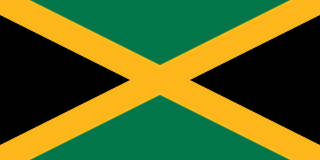
Jamaica
Jamaica
Population: UN WPP 2024, revision 1, projection for 1 July 2026. Sources and methodology.
Geography and territory
Jamaica is the third-largest island in the Caribbean, covering 10,991 square kilometers and lying just south of Cuba and west of Hispaniola. Despite its modest size, the island’s terrain is remarkably diverse, rising abruptly from coastal plains into a rugged, mountainous interior. Jamaica stretches roughly 235 kilometers from east to west but narrows to only about 82 kilometers at its widest point, giving the country an elongated silhouette on the map.
The Blue Mountains, in the eastern part of the island, form Jamaica’s natural heart. Their cloud forests shelter extraordinary biodiversity and produce one of the most exclusive and expensive coffees in the world. The highest summit, Blue Mountain Peak, reaches 2,256 meters. Farther west, the Cockpit Country presents a striking karst landscape of cone-shaped hills, sinkholes, and caves carved over millions of years by the erosion of limestone bedrock. This maze-like terrain was so impenetrable that it became a refuge for Maroon communities during the era of slavery, allowing them to resist recapture for generations.
Jamaica’s coasts offer sharp contrasts. The north shore, facing the Caribbean Sea, boasts white-sand beaches and clear turquoise water around resort towns like Negril, Montego Bay, and Ocho Rios. The south coast, by comparison, is steeper and far less developed for tourism, characterized by dark volcanic-sand beaches, mangrove wetlands, and the lively capital, Kingston. The island is also laced with more than 120 rivers and streams, numerous waterfalls, and an extensive network of underground caves that together form a complex hydrological system.
History
Jamaica’s history is defined by resistance, creativity, and an unrelenting pursuit of freedom. The Taino people, an Arawak-speaking group who inhabited the island before European contact, called it Xaymaca, meaning “land of wood and water.” Christopher Columbus arrived in 1494, and the subsequent Spanish colonization devastated the indigenous population. In 1655, English forces seized the island from Spain and turned it into one of the most productive—and most brutal—colonies in the British Caribbean.
Jamaica soon became the world’s leading sugar producer and a central hub of the Caribbean slave trade. Port Royal, at the entrance to Kingston Harbour, earned a reputation as “the wickedest city on Earth” for the concentration of wealth amassed by pirates and privateers operating throughout the region. A devastating earthquake in 1692 sank much of the city beneath the sea. Enslaved Jamaicans resisted continuously: the Maroons, led by figures such as the legendary Nanny, built free communities in the mountains and waged sustained wars against colonial forces.
The abolition of slavery in 1838 reshaped Jamaican society, though deep inequality persisted for decades afterward. The Morant Bay Rebellion of 1865 marked a turning point in the struggle for Black Jamaicans’ rights. Jamaica finally gained independence from the United Kingdom on August 6, 1962, under the leadership of Alexander Bustamante. In the decades since, the country has forged a cultural identity of outsized global influence, one that has shaped music, spirituality, and popular culture far beyond its shores.
Culture and society
Jamaica exerts a cultural influence wildly disproportionate to its size. Reggae, born in the Kingston neighborhoods of the late 1960s, transformed music worldwide and became a symbol of resistance, spirituality, and social consciousness. Bob Marley, the island’s most iconic figure, carried reggae to global stardom, spreading messages of love, unity, and justice that continue to resonate across every continent. In 2018, UNESCO inscribed reggae music on its list of Intangible Cultural Heritage of Humanity.
Before reggae, Jamaica had already given the world ska and rocksteady, genres that went on to shape punk music and Britain’s mod subculture. Dancehall, a faster, more electronic evolution of reggae, now dominates the island’s contemporary music scene. The Rastafari movement, which emerged in Jamaica in the 1930s and drew on the teachings of Marcus Garvey and the coronation of Ethiopia’s Haile Selassie, has grown into a global spiritual philosophy and way of life with followers far beyond the Caribbean.
Jamaican Patois, an English-based creole infused with African influences, is the everyday language of the population and a powerful vehicle of cultural identity that has permeated global popular culture. The island has also produced major literary voices, including Claude McKay, a pioneering figure of the Harlem Renaissance. In sports, Jamaica is an athletic powerhouse: Usain Bolt, the fastest man in recorded history, and Shelly-Ann Fraser-Pryce rank among the world’s greatest track stars, while the national bobsled team’s improbable Olympic run inspired the film Cool Runnings.
Economy
The Jamaican economy rests on three main pillars: tourism, remittances, and mining. Tourism is by far the largest source of foreign exchange and employment, drawing millions of visitors each year to the island’s beaches, music, culture, and famed hospitality. Montego Bay, Negril, and Ocho Rios serve as the country’s primary tourism hubs, offering everything from all-inclusive resorts to community-based cultural experiences.
Bauxite and alumina mining has historically been a critical economic sector, with Jamaica ranking among the world’s top bauxite producers. Remittances sent home by the Jamaican diaspora, concentrated mainly in the United States, Canada, and the United Kingdom, make up a significant share of national income and support thousands of households across the island. Agriculture, though diminished in relative importance, still yields prized exports such as Blue Mountain coffee, sugar, bananas, cocoa, and Jamaican allspice.
Jamaica continues to grapple with economic challenges including elevated public debt, youth unemployment, and heavy reliance on imported energy. Even so, the country has carried out significant macroeconomic reforms that have helped stabilize its finances; the economy is valued at roughly $22.71 billion in gross domestic product, and Jamaica’s Human Development Index stands at 0.720, placing it in the high category. Financial services, creative industries such as music, film, and fashion, and a growing information technology sector are emerging areas that are gradually diversifying the country’s economic base.
Food and cuisine
Jamaican cuisine ranks among the most distinctive and flavorful in the Caribbean, a fusion born of African, British, Indian, Chinese, and Spanish culinary traditions. Jerk, a cooking method and spice blend developed by the Maroons, stands as Jamaica’s most iconic culinary technique. Jerk chicken and jerk pork are marinated in a fiery paste of Scotch bonnet peppers, allspice, thyme, garlic, and ginger, then slow-smoked over pimento wood, producing an unmistakable smoky, spicy, aromatic flavor.
Ackee and saltfish is the island’s national dish. Ackee, a tropical fruit native to West Africa that develops a texture resembling scrambled eggs when cooked, is sautéed with desalted codfish, tomatoes, onions, peppers, and spices. Curry goat, a legacy of Indian immigrants brought to Jamaica in the nineteenth century, and oxtail stew, simmered with butter beans, are hearty comfort foods found in restaurants and home kitchens across the island.
The Jamaican patty, a turmeric-tinted pastry filled with spiced meat, is the country’s ubiquitous snack, eaten at any hour of the day. Popular Jamaican drinks include sorrel, an infusion of hibiscus flower and ginger, rum punch, and the island’s world-famous rum, produced by storied distilleries such as Appleton Estate and Wray & Nephew. Blue Mountain Coffee, grown at elevations above 1,500 meters, ranks among the most expensive and sought-after coffees on Earth for its smoothness and aromatic complexity.
Tourism and landmarks
Negril, on Jamaica’s western tip, is celebrated for Seven Mile Beach, one of the most spectacular stretches of sand in the Caribbean, and for the cliffs of Rick’s Cafe, where thrill-seekers leap into the turquoise sea as the sun sets in a ritual that has become a tourist tradition. Montego Bay, the country’s second city, pairs beaches like Doctor’s Cave with a lively dining, shopping, and nightlife scene, making it Jamaica’s most important tourism gateway.
Dunn’s River Falls, near Ocho Rios, cascades some 180 meters down terraced limestone rock to the Caribbean Sea, and visitors can climb the falls themselves in one of the island’s most memorable experiences. The Bob Marley Museum in Kingston, housed in the artist’s former Hope Road residence, is a pilgrimage site for music lovers and admirers of Jamaican culture. Nearby, the Trench Town neighborhood, birthplace of reggae, offers cultural tours that trace the roots of this revolutionary sound.
The Blue Mountains offer hiking through misty cloud forest to Jamaica’s highest peak, with views that on clear days reach all the way to Cuba. The Blue and John Crow Mountains National Park, a UNESCO World Heritage Site, protects unique ecosystems and shelters the island’s national bird, the streamertail hummingbird. Port Antonio, on the northeast coast, offers the glowing waters of the Blue Lagoon, bamboo rafting on the Rio Grande, and the unspoiled sands of Frenchman’s Cove, all set in a quieter, less commercialized corner of the island.
Fun facts about Jamaica
- Bob Marley, Jamaica’s most famous son, sold more than 75 million records worldwide, and his music remains the most influential ever to emerge from the Caribbean.
- Jamaica was the first tropical nation to compete in the Winter Olympics, fielding a bobsled team at the 1988 Calgary Games.
- Usain Bolt, born in Trelawny, holds the world records in the 100 and 200 meters, making him the fastest human being ever timed.
- Jamaican Blue Mountain coffee is among the most expensive in the world, with prices that can top $100 per kilogram.
- Jamaican allspice, one of the world’s most important spices, is native to the island and gets its English name from its flavor, which evokes a blend of cinnamon, nutmeg, and clove.
- Port Royal was once known as the richest and most sinful city on Earth, before a 1692 earthquake plunged much of it beneath the sea.
Jamaica in numbers
Latest World Bank and UNDP observations, each with its own year. “World median” is the middle value among the countries that report the same indicator; “#” ranks from the highest value.
Population since 1960
Jamaica had 1.7 million people in 1960 and 2.8 million in 2025 — 72% more.
People
59.4% of people live in towns and cities (world median 63.4%). 18.3% are under 15 and 8.6% are 65 or older — a middle-aged population. Women have 1.35 children on average, below the replacement level of about 2.1 needed to keep a population stable in the long run without migration.
Economy
The economy grew by 0.1% in real terms in 2025. Consumer prices rose by 4.0% in 2025. Services make up the largest share of output (59.8% of GDP); agriculture contributes 8.7%.
Development and environment
UNDP rates human development in Jamaica as high, with an index of 0.720 in 2023 (rank 117 of 193). 90.1% of people use the internet and 97.7% have access to electricity. Forest covers 56.5% of the land (world median 32.8%).
Sources: World Bank, World Development Indicators (CC BY 4.0), most recent observation from 2015 onward; UNDP Human Development Report 2025. Retrieved 2026-10-10. Sector shares need not add up to 100% because taxes and subsidies on products are excluded. Missing values are left blank rather than estimated. Sources and methodology.
Climate of Jamaica
Averaged across Jamaica, the mean temperature stays between 24.3 °C (January) and 27.4 °C (August) — a swing of only 3.1 °C, so seasons are marked by rainfall rather than by heat.
About 1,933 mm of precipitation falls in a typical year. October is the wettest month (289 mm) and February the driest (71 mm). The wettest stretch is September to November, with 36% of the year's total.
Show monthly values as a table
| Month | Mean °C | Low °C | High °C | Precipitation, mm |
|---|---|---|---|---|
| January | 24.3 | 19.9 | 28.8 | 79 |
| February | 24.5 | 20.2 | 28.9 | 71 |
| March | 25.0 | 20.9 | 29.1 | 101 |
| April | 25.8 | 21.9 | 29.7 | 140 |
| May | 26.2 | 22.9 | 29.7 | 278 |
| June | 27.0 | 23.6 | 30.4 | 125 |
| July | 27.1 | 23.2 | 31.1 | 157 |
| August | 27.4 | 23.4 | 31.3 | 176 |
| September | 27.0 | 23.2 | 30.8 | 212 |
| October | 26.4 | 22.9 | 29.9 | 289 |
| November | 25.8 | 21.9 | 29.7 | 195 |
| December | 25.1 | 20.8 | 29.4 | 112 |
Figures are 1991–2020 averages across the whole land area of Jamaica, from the World Bank Climate Change Knowledge Portal, CRU TS 4.08 (CC BY 4.0). They are not readings from one weather station: the capital, the coast and high ground can be much warmer, cooler, wetter or drier.
Travel essentials for Jamaica
The practical details visitors ask about first. Traffic in Jamaica drives on the left, one of 54 of the 196 countries profiled here that do — see the full list. Mains electricity is 110 V at 50 Hz, so appliances built only for 220–240 V need a voltage converter.
- Emergency number
- 119Ambulance 110 · Fire 110
- Driving side
- Left
- Plug types
- Type A, Type BA: two flat parallel pins; B: two flat pins plus a round earth pin
- Voltage
- 110 V50 Hz
- Dialling code
- +1-876From abroad: your exit code, then 1-876 and the number
- Currency
- Jamaican Dollar (JMD)
- Time zone
- EST (UTC-5)Current local time in Jamaica
Compiled from IEC plug and voltage standards, national emergency-service listings and the UN road-traffic conventions. Emergency numbers and local coverage can change — confirm them locally on arrival. Jamaica's internet domain is .jm.
Where Jamaica ranks in the world
Each position counts only the countries with data in that ranking guide. First place is the highest value — for price levels, the most expensive. Select a card to see the full table.
- Population140th of 1962.8 millionUN projection, July 2026
- Land area158th of 19510,830 km²World Bank, 2023
- Population density35th of 194262 per km²World Bank, 2023
- GDP (nominal)122nd of 187$22.0BWorld Bank, 2024, current US$
- GDP per capita89th of 187$7,754World Bank, 2024, current US$
- Life expectancy120th of 19471.6 yearsWorld Bank, 2024
- Price level50th of 16559 (US = 100)ICP 2021, household consumption
Compare Jamaica with another country
Frequently asked questions about Jamaica
What is the capital of Jamaica?
The capital of Jamaica is Kingston.
What is the population of Jamaica?
The UN World Population Prospects projection for Jamaica is 2,833,403 people (2.8 million) on 1 July 2026. National statistical offices may publish different estimates.
What language is spoken in Jamaica?
The official language of Jamaica is English.
What currency is used in Jamaica?
The currency of Jamaica is the Jamaican Dollar (JMD).
How big is Jamaica?
Jamaica covers an area of 10,991 km².
What type of government does Jamaica have?
Jamaica is a constitutional parliamentary monarchy.
What is the highest point in Jamaica?
The highest point in Jamaica is Blue Mountain Peak (2,256 m).


