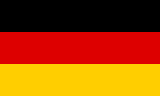
Flag of Denmark
Kingdom of Denmark

Flag details
- Proportions
- 28:37 height : width
- ISO code
- DK / DNK
- Emoji
- Unicode
- U+1F1E9 U+1F1F0
Flag colors
- red#c8102e75%
- white#ffffff23%
Share of the flag's surface, measured from the image. Names describe the measured shade.
Download the flag
Meaning and history of the flag of Denmark
Denmark's flag, known as the Dannebrog, is considered the oldest national flag still in continuous use in the world, with origins tracing back to the thirteenth century. It shows a red field with a white Scandinavian cross set toward the hoist side. According to legend, the flag fell from the sky during the Battle of Lyndanisse in 1219, securing victory for the Danes.
The off-center Nordic cross design became the model for the flags of the other Scandinavian countries, including Sweden, Norway, Finland, and Iceland. The red field symbolizes the courage and strength of the Danish people, while the white cross represents Christianity and peace. The flag's official proportions are 28:37.
The Dannebrog holds an almost sacred status in Danish culture and is widely used at celebrations, birthdays, and festivities. Unlike in many other nations, Danes fly their flag in everyday and festive settings without strictly political overtones, making it a symbol deeply woven into national identity.
Colours and shape
Measured from the image, the main colours of the flag of Denmark are red and white; red alone covers about 75% of the surface. Its official proportions are 28:37 (height to width) — no other national flag has exactly this shape.
The flag emoji 🇩🇰 is built from the two regional indicator letters D and K (U+1F1E9 U+1F1F0). Most phones and Macs draw it as a flag; Windows shows the two letters instead.
 Finland
 Iceland
 Norway
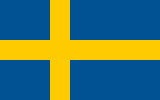 Sweden