Flag of Samoa
Independent State of Samoa

Flag details
- Proportions
- 1:2 height : width
- ISO code
- WS / WSM
- Emoji
- Unicode
- U+1F1FC U+1F1F8
Flag colors
- red#ce112675%
- blue#002b7f24%
Share of the flag's surface, measured from the image. Names describe the measured shade.
Download the flag
Meaning and history of the flag of Samoa
The flag of Samoa has a red field with a blue rectangle in the upper hoist canton bearing the Southern Cross constellation, represented by five white five-pointed stars. Four of the stars are larger and one is smaller, reflecting the actual relative brightness of the stars in the constellation.
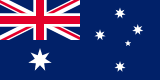
Adopted on February 24, 1949, ahead of independence from New Zealand in 1962, the original flag had only four stars, with the fifth added that same year. Red is a traditional Samoan color associated with courage and bravery. Blue represents freedom and the Pacific Ocean surrounding the islands. The five stars of the Southern Cross mark Samoa's geographic position in the Southern Hemisphere and symbolize its ties to other Pacific nations. Unlike the flags of Australia and New Zealand, which also display the Southern Cross, Samoa's flag does not include the British Union Jack, reflecting its history as a territory under New Zealand administration rather than a direct British colony.
Colours and shape
Measured from the image, the main colours of the flag of Samoa are red and blue; red alone covers about 75% of the surface. Its official proportions are 1:2 (height to width), the same shape as at least 51 other national flags.
The flag emoji 🇼🇸 is built from the two regional indicator letters W and S (U+1F1FC U+1F1F8). Most phones and Macs draw it as a flag; Windows shows the two letters instead.
Part of a flag family: Southern Cross
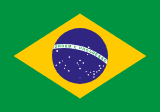
The stars of the Crux constellation, the best-known star pattern of the southern sky. Brazil’s flag shows it within its night sky.
 Australia
 Brazil
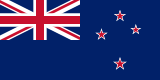 New Zealand
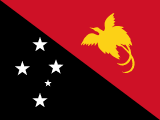 Papua New Guinea