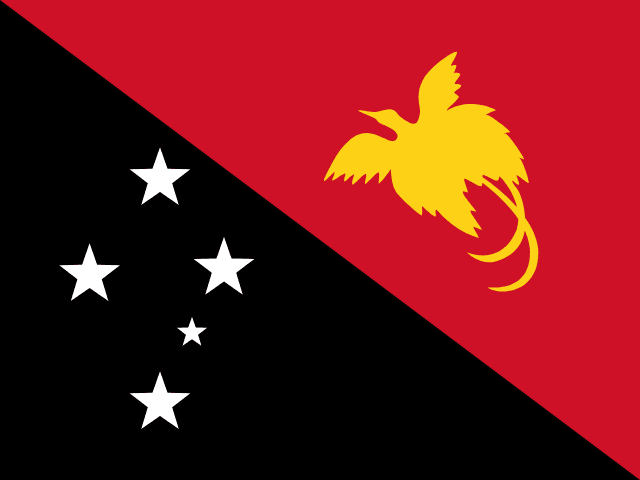
Flag of Papua New Guinea
Independent State of Papua New Guinea
Flag details
- Proportions
- 3:4 height : width
- ISO code
- PG / PNG
- Emoji
- Unicode
- U+1F1F5 U+1F1EC
Flag colors
- black#00000048%
- red#ce112644%
Share of the flag's surface, measured from the image. Names describe the measured shade.
Download the flag
Meaning and history of the flag of Papua New Guinea
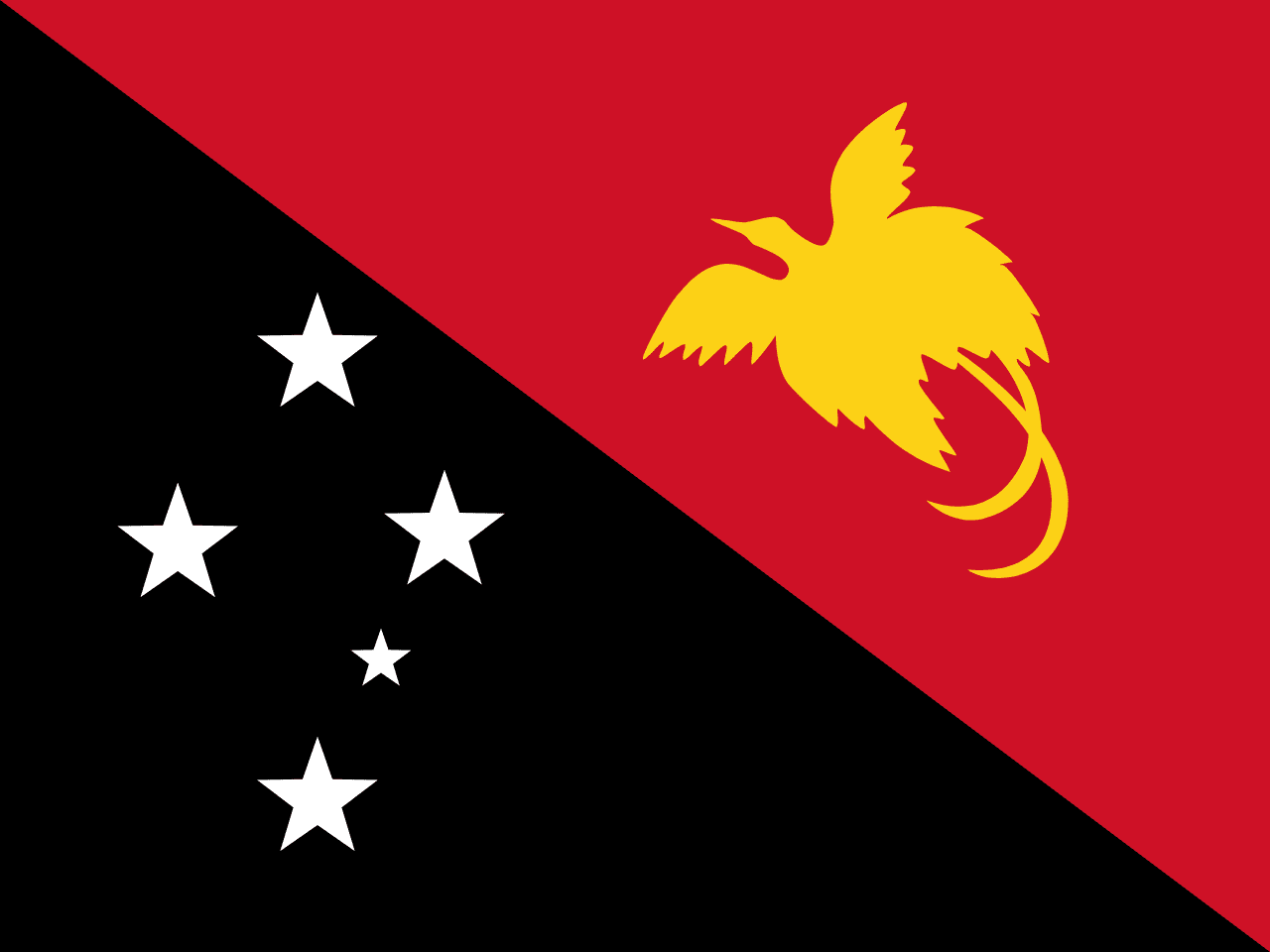
Papua New Guinea's flag is divided diagonally from the upper hoist-side corner to the lower fly-side corner. The upper half is red and features a raggiana bird-of-paradise (Paradisaea raggiana) in flight, rendered in golden yellow. The lower half is black and displays the Southern Cross constellation, formed by five white stars of varying sizes.
The design was created in 1971 by Susan Karike, a fifteen-year-old student who won a national competition, and it was officially adopted on July 1, 1971, ahead of independence in 1975. Red and black are traditional colors found in the art and decoration of many Papuan cultures. The bird-of-paradise is the national bird and symbolizes the country's unity, freedom, and emergence as an independent nation. The Southern Cross marks the country's location in the Southern Hemisphere, a feature it shares with the flags of Australia, New Zealand, Brazil, and Samoa.
Colours and shape
Measured from the image, the main colours of the flag of Papua New Guinea are black and red; black alone covers about 48% of the surface. Its official proportions are 3:4 (height to width), a shape it shares with only 3 other national flags: Democratic Republic of the Congo, Gabon, San Marino.
The flag emoji 🇵🇬 is built from the two regional indicator letters P and G (U+1F1F5 U+1F1EC). Most phones and Macs draw it as a flag; Windows shows the two letters instead.
Part of a flag family: Southern Cross
The stars of the Crux constellation, the best-known star pattern of the southern sky. Brazil’s flag shows it within its night sky.
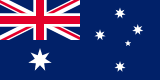 Australia
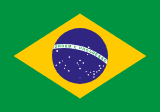 Brazil
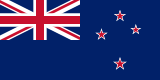 New Zealand
 Samoa